Mobile AI — an American mobile telecommunications operator.
The client faced low key metrics in their core service application. Despite an attractive pricing model, the app did not fulfill its primary goal: customer retention and reducing churn. Users reported difficulty in choosing tariffs, a lack of personalization, and a confusing process for managing their services. This led to a low Net Promoter Score (NPS) and a relatively low level of engagement, measured by the number of unique monthly active users (MAU).
Our studio conducted a comprehensive audit and rethinking of the user experience, with a focus on data and artificial intelligence.
We analyzed the current application, identifying "bottlenecks" in user scenarios such as onboarding difficulties, unclear billing processes, and intrusive upselling.
Conducted a comparative analysis of key market players' products to identify best industry practices.
Developed hypotheses for improving the user journey (Customer Journey Map) based on qualitative data and behavioral models.
We completely redesigned and simplified the initial setup process (onboarding).
Designed an intuitive and transparent interface for managing tariffs and resource consumption (traffic, minutes, SMS).
Implemented a predictive notification system that alerts users when their resource limits are nearing exhaustion.
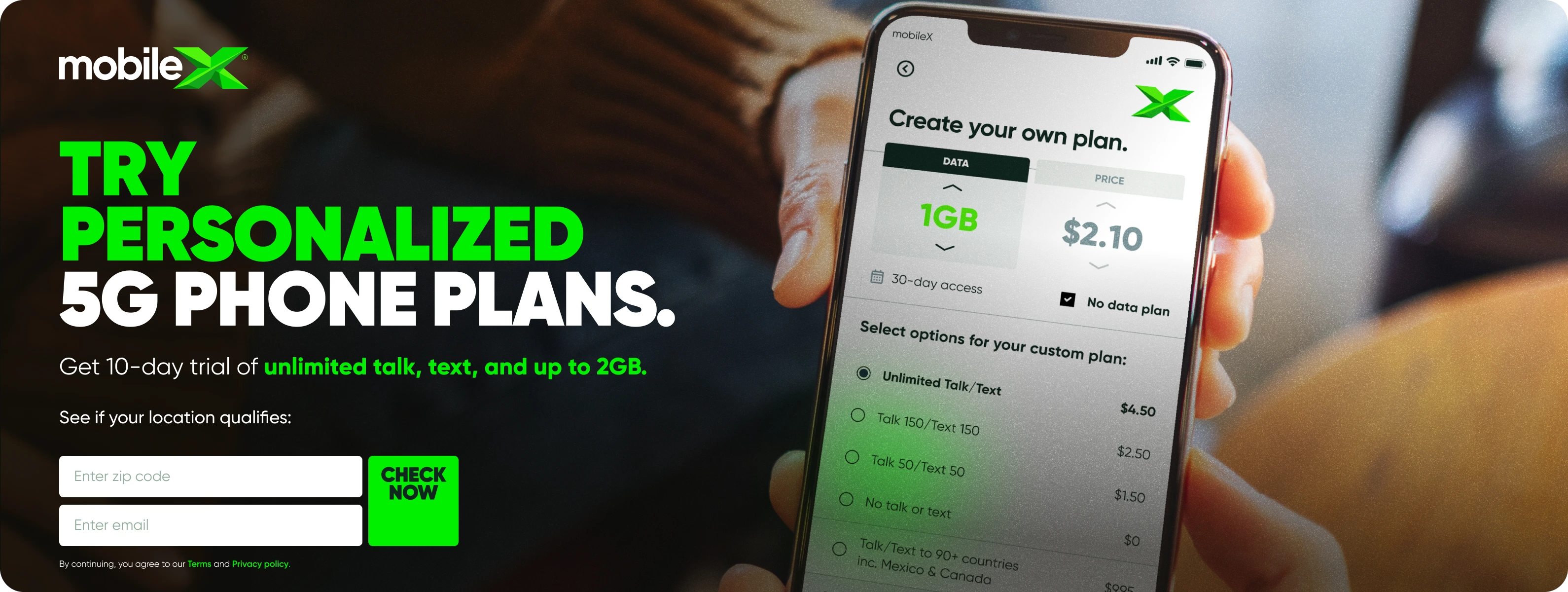
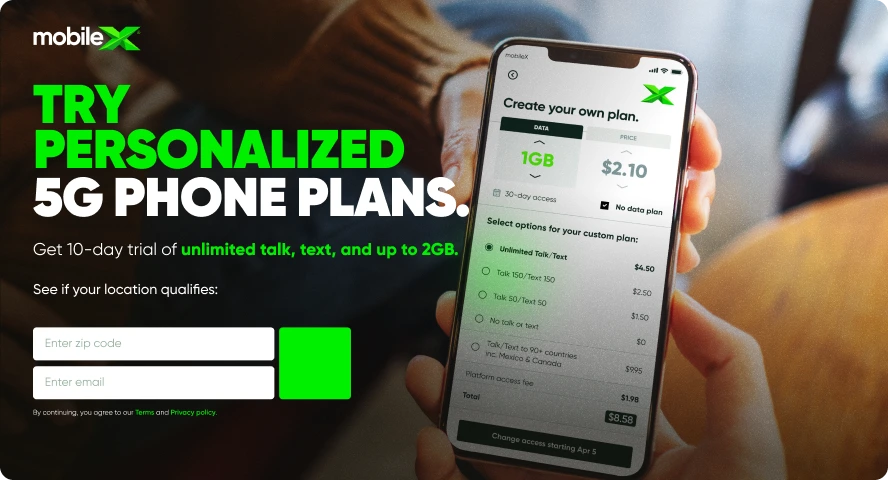
We integrated an AI assistant for tariff selection. How it works: After the standard 7-day trial period, the system analyzes actual usage of services (data, calls, time spent in the app) and then offers the user a personalized tariff plan based on that analysis. This solution addressed the customers' main concern — the fear of making the wrong choice and overpaying.
Developed a UI to explain AI-driven decisions — the interface visually demonstrates which specific user actions led to each recommendation, thereby increasing trust in the system.
We updated the UI kit, making the interface more modern, lightweight, and aligned with current iOS and Android design trends.
Implemented a component-based approach, enabling the client to independently scale and update the application in the future.
The Net Promoter Score (NPS) increased by 28 points. Users began to recommend the app and the operator's services much more frequently, appreciating its simplicity and attentiveness to their needs.
Increase in conversion to targeted actions (CTA): The number of successful tariff changes and account top-ups directly within the app rose by 40%.
Monthly active users (MAU) increased by 25% due to enhanced engagement and higher frequency of using service features.